How to Pick the Right Cocktail Menu at a Gin Bar NYC
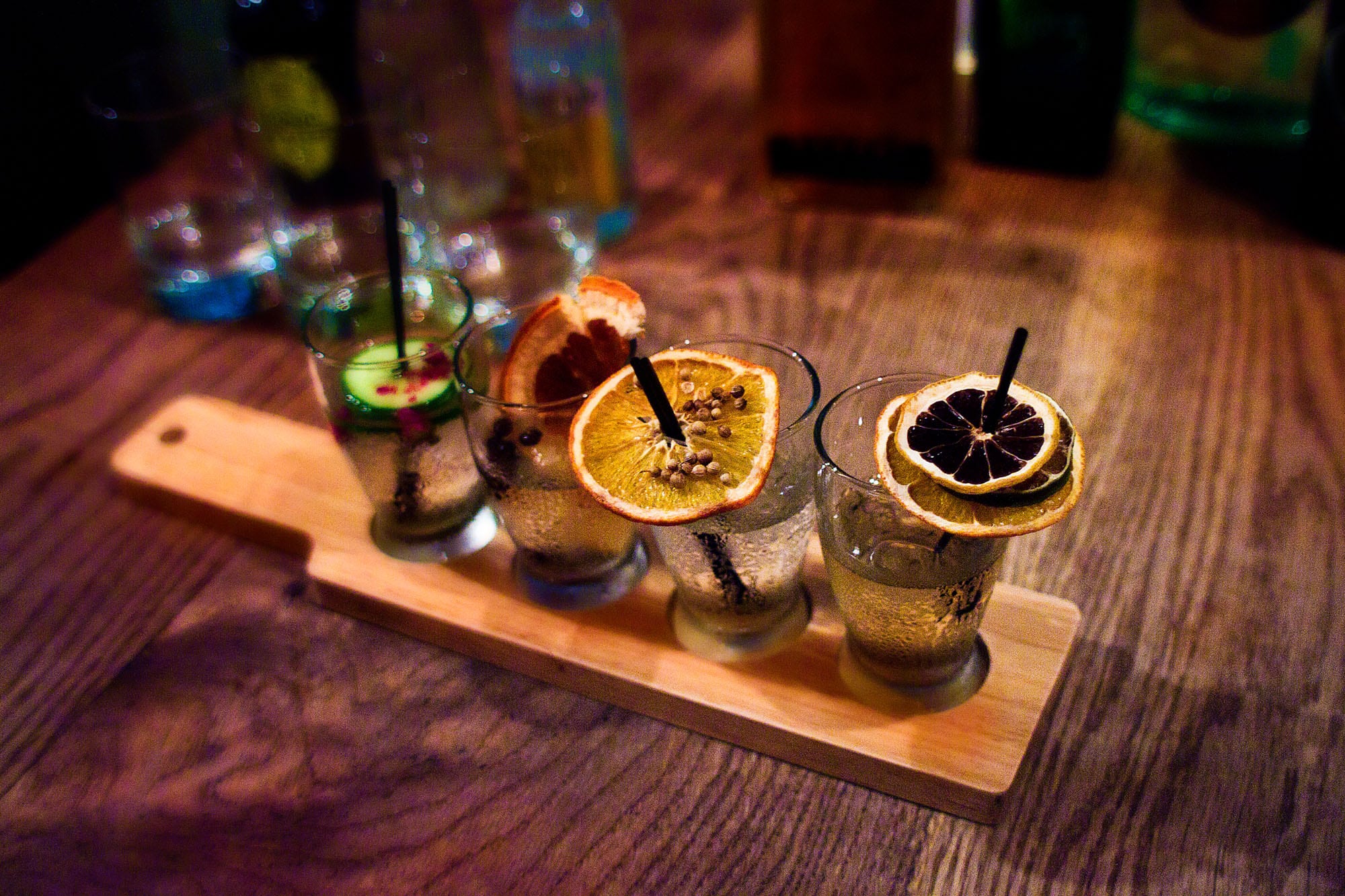
A good gin bar can make you feel unusually decisive. You walk in, spot the backbar glowing with bottles from London, the Loire Valley, Japan, Brooklyn, maybe Tasmania, and suddenly everything seems possible. Then the menu lands in your hands and that confidence fades. Fifteen house cocktails, a martini section with its own taxonomy, seasonal specials, a page devoted to tonic pairings, and maybe a short note about vapor-distilled botanicals that sounds impressive but does not help you order.
That moment matters more than people think. At a serious Gin Bar NYC regulars love, the menu is not just a list of drinks. It is the bar’s point of view. It tells you whether the team values precision over spectacle, whether they know how to handle citrus and dilution, whether they respect classic structure, and whether they understand that gin can be bright, savory, floral, resinous, bracing, or unexpectedly soft. If you know how to read the menu, you can usually predict the experience before the first sip arrives.
The trick is not to chase the most expensive cocktail or the one with the longest ingredient list. It is to match the menu to your palate, the mood of the night, and the quality signals a well-run gin bar quietly gives off. Over Gin Bar NYC time, after enough drinks at enough bars, you start to notice patterns. Menus that photograph beautifully but drink clumsily. Martini programs that look austere on paper but show real thought in the glass. Seasonal lists that reveal more about the produce market than the bartender’s ego. Once you know what to look for, choosing gets easier, and your odds of ordering well improve fast.
Start with the bar’s personality, not the prettiest drink name
Every strong gin bar has a house style, even if it never says so directly. Some lean classic and dry. Others push modern botanical combinations, lower-ABV serves, saline touches, savory infusions, or a more culinary approach. You can usually feel this within thirty seconds of reading the menu.
If the first page leads with martinis, Gibsons, vesper riffs, and gin-and-tonic builds specified by tonic brand or garnish, that usually signals a bar that takes gin seriously in a traditional sense. They are telling you the base spirit deserves attention. If the menu opens with fruit-forward signatures, dramatic glassware, smoke, color-changing components, or ingredients that read like a pantry scavenger hunt, the bar may still be excellent, but it is presenting gin as part of a broader cocktail experience rather than the center of gravity.
Neither style is inherently better. What matters is fit. If you walked in hoping for a bone-dry martini with a cold stem and exact dilution, the playful menu loaded with guava foam and butterfly pea flower may not scratch the itch. If you want something social, expressive, and easy to share with friends who do not normally order gin, the more theatrical list might be exactly right.
A practical test is to look for consistency in tone. Menus with confidence tend to know who they are. The descriptions are clear. The drinks belong together. The references make sense. Menus that feel scattered often belong to bars still trying to please everyone at once. That usually shows up in the glass as well.
Read the gin choices as carefully as the cocktail descriptions
Many guests focus on the cocktail names and skip the most revealing line on the page: which gin is actually being used. That is often the difference between a drink you admire and a drink you finish.
London dry styles The Winslow Gin Bar NYC tend to bring juniper structure, citrus lift, and a clean backbone that performs especially well in martinis, Negronis, and Collins variations. New Western or contemporary gins often soften the juniper and emphasize cucumber, citrus peel, lavender, rose, or other botanicals. Those can be beautiful in spritzes, floral sours, and lighter aperitif-style drinks, but they can also disappear if the cocktail around them is too loud. Navy strength gins bring extra proof and can carry richer modifiers with confidence, though they need careful balance. Old Tom styles add a gentle sweetness and often shine in classics like the Martinez or Tom Collins.
A menu does not need to state all this explicitly. Still, if a bar names the gin in each drink, that is a good sign. It suggests intentionality. The team is not treating all gin as interchangeable. If every cocktail simply says “gin” without naming the bottle, that is not automatically bad, but it gives you less information and sometimes points to a more generalized program.
This is where a little self-awareness helps. If you know you dislike aggressive floral notes, a drink built on a lavender-heavy gin may not be your best choice, no matter how charming the description sounds. If you love juniper and bitter structure, a citrusy contemporary gin in a Campari-forward drink may read flatter than you want. A knowledgeable bar can steer you either way, but the menu often tells you enough to start making smart calls on your own.
The best menus balance clarity and restraint
A cocktail description should answer a simple question: what will this taste like? Surprisingly few menus manage that. Some hide behind clever names and leave you guessing. Others cram in every component, as if complexity itself were proof of quality.
The strongest menus do something harder. They tell you just enough. You see the base spirit, the major modifiers, and perhaps one cue about texture or profile. “Bright, bitter, dry” is useful. “Crisp and savory with preserved citrus” is useful. You should not need a glossary and a prayer to understand what you are ordering.
Descriptions that are too vague often mask weak conceptual design. Descriptions that are too dense can signal overbuilding. In practice, drinks with more than five or six active flavor ideas often fight themselves unless the bartending is exceptionally disciplined. Gin is wonderfully adaptable, but it is also easy to bury. If a cocktail includes gin, amaro, sherry, two fruit acids, a tincture, a tea syrup, espuma, and three garnishes, ask yourself whether the bar is showcasing gin or merely using it as alcohol delivery.
That does not mean simple is always better. Some of the most impressive gin cocktails are layered and subtle. The key is whether the drink description sounds coherent. You want to feel a line of thought, not a shopping list.
Pay attention to how the menu handles martinis
If you are at a Gin Bar NYC drinkers speak about with respect, the martini section is usually the quickest way to assess the bar’s standards. It does not need to be long. In fact, a shorter martini section can be more reassuring than a sprawling one. What you are looking for is care.
A menu that notes gin options, vermouth styles, garnish choices, or dilution preferences is signaling competence. A martini program that distinguishes between a very dry build, a 50-50, a dirty variation, and perhaps a Gibson with proper onion handling shows thought. Even details that seem small, like mentioning a freezer martini or a side pour of chilled vermouth, can indicate a bar that understands temperature and texture, not just branding.
Watch for gimmicks. Caviar bumps, smoke cloches, elaborate towers, and endless customization can be fun, but they are not substitutes for cold glassware, correct ratios, and measured stirring. A memorable martini often looks almost severe. It arrives silent, cold enough to tighten the aromas, and balanced enough that the botanicals open gradually instead of blasting your palate all at once.
One of the best signs on any menu is confidence in restraint. If the bar offers only a few martini options but executes them consistently, that is worth more than ten novelty variations.
Seasonal menus reveal whether a bar really knows balance
Seasonality is where a lot of gin programs either become exciting or go off the rails. Gin loves fresh produce, herbs, and aromatic accents. It also punishes excess. Summer menus can drown in cucumber and basil. Autumn lists can get sticky with apple butter and baking spice. Spring often overdoes edible flowers. Winter sometimes mistakes heaviness for depth.
A thoughtful seasonal menu does not merely swap ingredients by calendar. It adapts structure. Warm-weather gin drinks usually benefit from lift, snap, and a clean finish. That can come from citrus, carbonation, saline, fino sherry, or carefully restrained fruit. Cold-weather drinks often need texture and a little more base-spirit presence. This is where richer vermouths, bitter liqueurs, tea, spice, or orchard fruit can support gin without suffocating it.
You can often tell how serious the bar is by how specific the seasonality feels. “Strawberry” in June means little. “Macerated local strawberries with pink peppercorn and dry vermouth” suggests someone has actually tasted the fruit and built around it. Likewise, a winter drink that leans on pear eau-de-vie, rosemary, and blanc vermouth sounds more deliberate than one that simply shouts “holiday” through cranberry and cinnamon.
At a good gin bar, the seasonal section should feel temporary for a reason. The drinks exist because the ingredients are right now, not because the names fit a mood board.
Learn the quiet signs of a menu built by working bartenders
People who write menus from behind the stick tend to make different choices than people designing from a spreadsheet. Experience shows in subtle ways.
Here are a few signs I trust when reading a cocktail menu:
- The ingredient combinations sound workable during a busy service, not just imaginative on paper.
- The number of stirred versus shaken drinks feels intentional, with enough range for different moods.
- There is at least one straightforward option for guests who want clarity rather than novelty.
- Glassware and garnish choices seem to support temperature and aroma, not only appearance.
- The menu gives the staff room to guide guests instead of trapping them in rigid scripts.
That last point matters. The best menus are not closed systems. They are invitations to a conversation. If a bartender can take the menu and adjust you one degree drier, brighter, more bitter, or more savory, you are in good hands.
Think about the point in the evening when you are ordering
One reason people choose poorly is that they ignore timing. The right cocktail at 6:30 can feel wrong at 10:15. A menu should be read in context, not in isolation.
An opening drink often needs precision and appetite. This is where gin shines. A martini, a bamboo-style gin aperitif, a dry Collins variation, or a lean tonic build can sharpen the palate and settle the room. Mid-evening, people often want something with more roundness or texture, perhaps a white Negroni, a gin sour with restraint, or a savory highball. Late at night, especially after food or several rounds, the palate can go in two directions. Some drinkers want one last exact, icy classic. Others need a lower-proof, longer, more forgiving drink.
Menus that understand this flow tend to offer progression. Not formal pairings, just enough stylistic variety that the night can move naturally. If every drink is huge, tart, sweet, or heavily perfumed, the menu may feel fatiguing after the first round. If everything is severe and spirit-forward, the bar may lose guests who want ease. Good curation considers stamina as much as flavor.
I have seen guests order a rich, bitter, boozy gin drink as their first cocktail after a hot subway ride in August and then wonder why it feels punishing. I have also watched people ask for the brightest spritz on the menu at the end of a winter dinner, only to find it too sharp. The drink may be well made. The timing is what missed.
Ask one useful question instead of three vague ones
Bartenders generally want to help, but the quality of the answer depends on the quality of the question. “What’s good?” rarely gets you far. Almost everything on a decent menu should be good. A more useful approach is to give a direction.
Say you want something dry and herbaceous, or crisp but not too citrusy, or spirit-forward without much bitterness. Mention if you dislike overt florals, sweet sours, egg white texture, or smoke. If you are deciding between two drinks, ask what separates them in structure, not just ingredients. That gives the bartender something real to work with.
If you know one gin you already enjoy, say so. It is far more actionable to mention Tanqueray, Sipsmith, The Botanist, Plymouth, or a favorite local bottle than to announce that you “like gin.” Those bottles point toward juniper tolerance, citrus preference, botanical style, and mouthfeel. A good bartender can translate that into the menu quickly.
The goal is not to perform expertise. It is to shorten the path between what is on the page and what you actually want to drink.
Price can tell you something, but not what people assume
At a premium Gin Bar NYC visitors might expect, cocktail prices can run high. Rent, labor, glassware breakage, niche spirits, and fresh produce all add up. Expensive does not automatically mean exploitative, and cheap does not always mean smart value. Still, pricing patterns on a menu can reveal how the program is built.
If the classic gin drinks are fairly priced and the biggest jumps appear on labor-intensive signatures or rare bottle calls, that often feels reasonable. If every gin cocktail is clustered tightly in price despite large differences in ingredients and format, the bar may be smoothing margins across the board. Again, not necessarily a problem, but worth noticing.
What concerns me more is when a menu uses luxury cues to justify weak drinks. A costly cocktail served in lavish glassware with a decorative garnish can still be thin, over-diluted, or badly balanced. By contrast, a well-made martini or martinez can offer more pleasure and skill per dollar than a louder signature drink.
When in doubt, look for where the menu seems most at home. If the bar clearly lives and breathes classic gin service, start there. Order the thing they probably make a hundred times a week and care about every single time.
Tonic programs deserve more respect than they get
The gin and tonic still gets underestimated, especially in cities where cocktail culture can reward novelty over execution. Yet a gin bar that treats tonic seriously often signals broad technical discipline. Carbonation management, ice quality, garnish logic, dilution speed, and the relationship between the gin’s botanicals and the tonic’s bitterness all matter here.
A menu that specifies tonic pairings is usually worth your attention. Different tonics can exaggerate citrus, quinine bite, sweetness, or herbal edges. Pairing a bright, juniper-heavy gin with a very sweet tonic can flatten it. Matching a softer floral gin with a sharply bitter tonic can create useful structure. Glass shape matters too. So does whether the garnish is expressive or merely decorative. A grapefruit peel can transform certain gins. A rosemary sprig can overwhelm them if handled carelessly.
Some of the best orders in a gin-focused room are not the most complicated ones. A cold, exact gin and tonic can tell you a lot about the bar within the first five minutes.
When to trust the signature section, and when to ignore it
Signature cocktails can be where a bar’s creativity truly lives. They can also be where discipline slips. The trick is learning when the signatures are extensions of the house style and when they are a distraction from it.
Trust the signature section when the drinks still sound like gin drinks. That does not mean they need to be austere or classic. It means the base spirit appears to have a role beyond simply supplying alcohol. If the botanicals of the gin seem chosen to interact with the citrus, vermouth, fruit, tea, or savory elements, you are likely in good territory.
Be more cautious when the signatures depend on novelty language without giving you a clear flavor map. Clever names are harmless. Cleverness replacing information is not. If two or three signature drinks seem anchored in the same style, perhaps a dry and aromatic lane, or a bright and bitter lane, that is promising. If every drink seems to be chasing a different trend, the menu may not have been edited hard enough.
There is nothing wrong with ordering the obvious classic at a gin bar, even if the signatures look tempting. Sometimes the smartest move is to let the bar prove itself on fundamentals first.
A simple way to narrow the menu in under a minute
If the menu is large and your table is ready to order, use a fast internal filter. I rely on four questions:
- Do I want spirit-forward, refreshing, or textured?
- Do I want juniper-led, citrus-led, savory, or floral?
- Am I opening the night, sitting in the middle of it, or finishing it?
- Does this drink sound like it was built around gin, or around a concept?
That framework eliminates most bad choices. You stop ordering aspirationally and start ordering accurately. In my experience, guests regret cocktails that fit the moment poorly more often than cocktails that are merely less exciting than expected.
The best choice often comes from noticing restraint
There is a certain maturity to a cocktail menu that does not try to impress on every line. You feel it in drinks with three or four components that still seem complete. You feel it in a bar willing to offer a proper Gibson without apology, or a white Negroni that has been adjusted just enough to make sense with the chosen gin, not reinvented for sport. You feel it in a seasonal section that captures weather and produce without becoming sticky or sentimental.
That is usually where you find the right cocktail menu at a gin bar, not by hunting the loudest option, but by reading for judgment. Good bars show their standards quietly. They reveal how they think about balance, dilution, temperature, aromatic lift, bitterness, and pacing. Once you learn to spot those signals, menus become much easier to navigate.
A great gin bar does not overwhelm you with possibility. It helps you feel understood. The right drink arrives tasting like someone paid attention, to the spirit, to the season, and to the fact that you came in hoping for more than alcohol in a pretty glass. At that point, the menu has done its job. So has the bar.
The Winslow
243 E 14th St
New York, NY 10003, United States
Phone: +1 212-777-7717
FAQ About Gin Bar NYC
How to do a gin tasting?
Start with a small pour and gently smell the gin before taking a small sip. Notice its juniper, citrus, floral or spice notes, then compare how the flavor changes with a little water or tonic. At a gin bar, ask the bartender to explain the selection and botanical pairings.
How to make the best tasting gin and tonic?
Use chilled gin, fresh tonic and plenty of ice. A common starting ratio is one part gin to two parts tonic, adjusted to taste. Choose a garnish that complements the gin's botanicals and stir gently to preserve the bubbles.
What is the smoothest tasting gin?
There is no single smoothest gin for everyone. Perceived smoothness depends on the botanical recipe, alcohol strength, serving temperature and mixer. Describe whether you prefer citrus, floral, herbal or juniper-forward flavors so a bartender can suggest a suitable style.