The Best Weekend Experiences Built Around a Gin Bar NYC
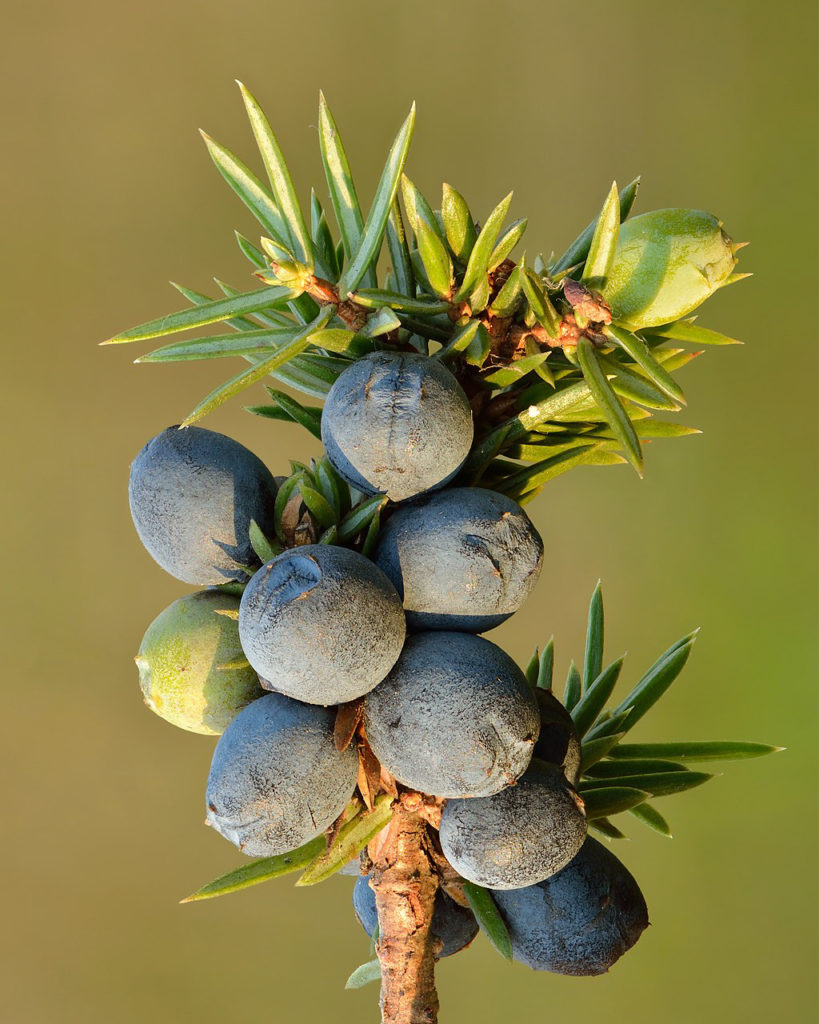
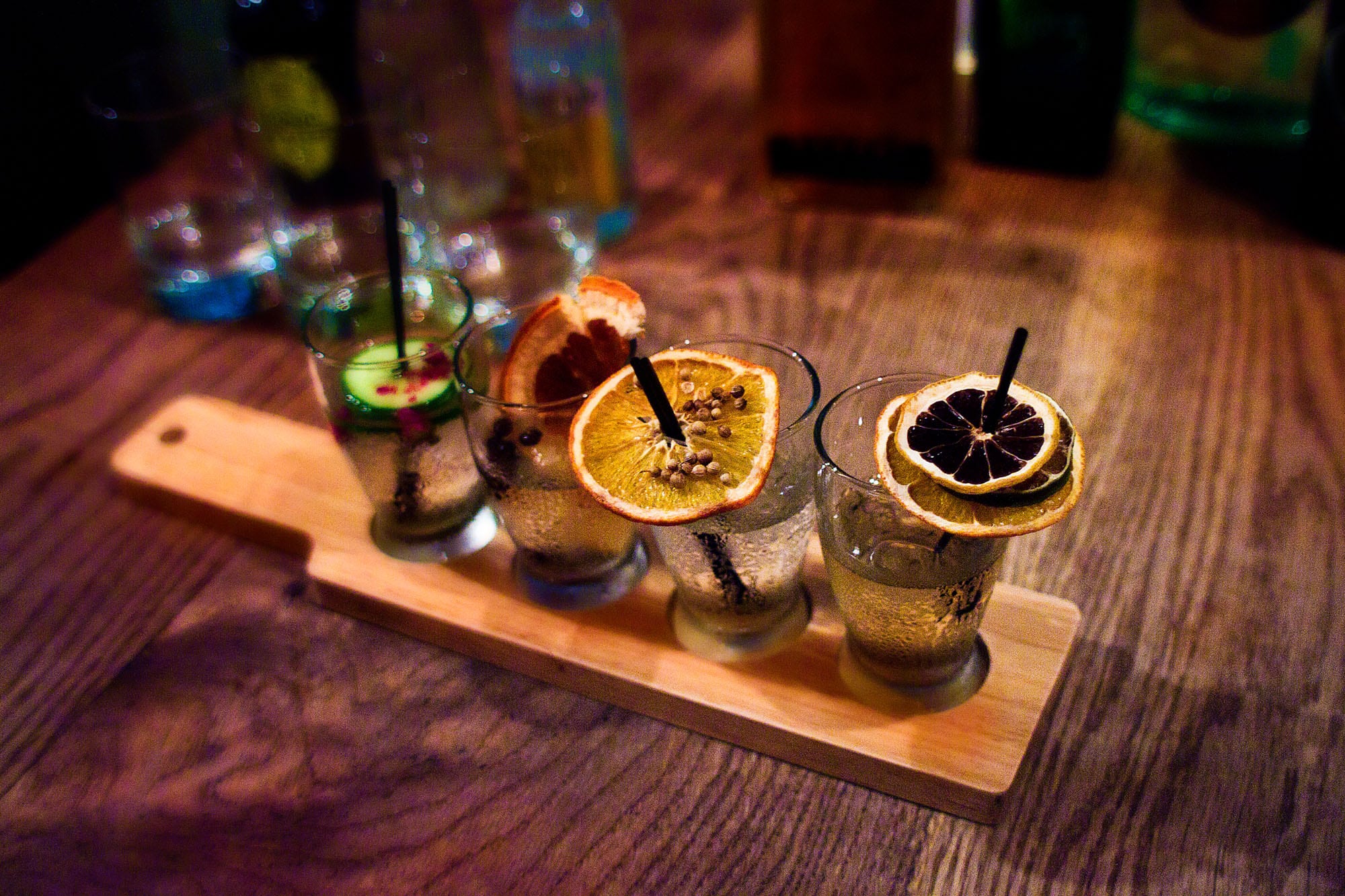
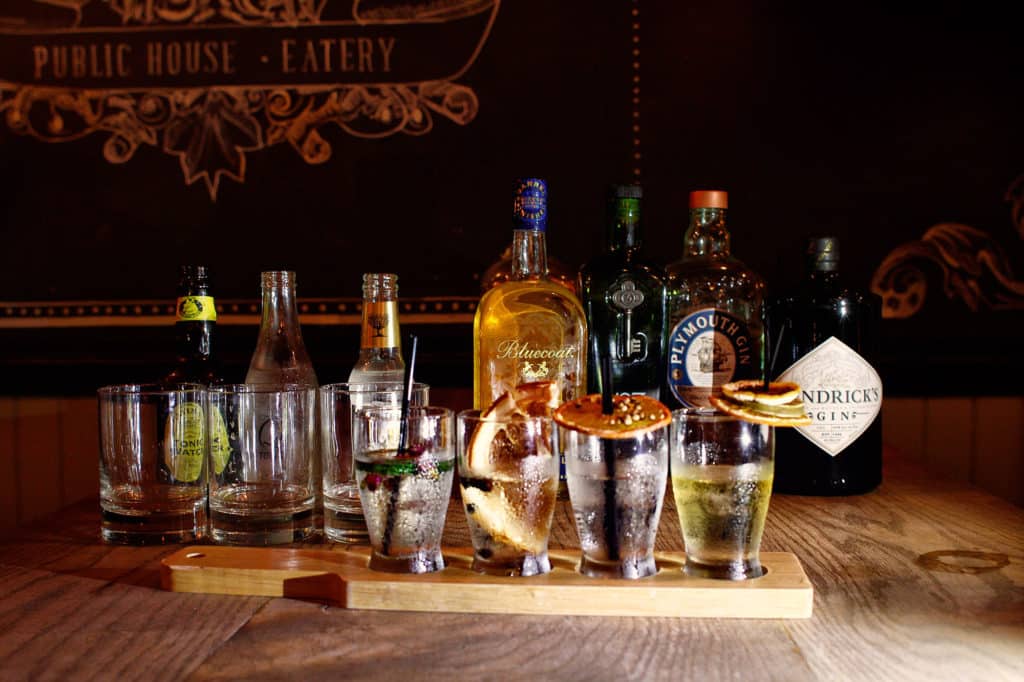
A great weekend in New York rarely depends on one reservation alone. It comes together through sequencing, pace, and mood. The smartest plans do not try to cram the whole city into forty eight hours. They build around one strong anchor, then let the surrounding hours take on shape and texture. For a certain kind of weekend, that anchor is a Gin Bar NYC drinkers will gladly cross neighborhoods for.
Gin has a particular effect on an evening. It is sharper than rum, often more aromatic than vodka, and less predictable than whiskey for anyone willing to pay attention. A good gin bar gives you more than a place to order a martini. It gives you a point of view. One room might lean classic and buttoned up, with cold glassware, exact measurements, and hushed confidence. Another might push bright seasonal cocktails, tonic pairings, citrus oils, savory garnishes, and bottles from distilleries most guests have never heard of. Build a weekend around that kind of place and the rest of the city starts to align around it.
I have found that the best plans are not always the most expensive or the most elaborate. They are the ones that understand energy. A Friday night deserves one kind of gin bar, a slow Saturday afternoon another, and a Sunday reset something else entirely. New York rewards people who know when to speed up, when to linger, and when to leave room for an extra round.
Why gin works so well as a weekend centerpiece
The practical case for gin is easy to miss if you focus only on the cocktail list. Gin is one of the most flexible spirits on any serious bar program. It can carry bright Gin Bar NYC citrus and herbs in warmer months, stand up to richer flavors in cooler weather, and move between aperitif and nightcap with almost no strain. That flexibility makes it ideal for weekend planning because your day does not have to orbit a single mood.
If you start with oysters or crudo in the late afternoon, gin works. If dinner leans toward roast chicken, pasta, or a steak for the table, gin still works. If your group splits between martini loyalists and people who usually order spritzes, a strong gin list keeps everybody engaged. Few spirits handle that breadth without feeling generic.
There is also a social advantage. A well run gin bar often attracts guests who want conversation, not only volume. Even lively rooms tend to have more attention to detail, from ice quality to garnish discipline to the condition of the glassware. You notice it quickly. The atmosphere encourages people to stay present. That matters on a weekend when the goal is not just to drink, but to have an experience worth remembering clearly the next morning.
The Friday night version, polished and a little electric
Friday is not the night for an overdesigned itinerary. Most people arrive carrying the drag of the workweek, delayed trains, and one too many emails answered after six. The move is to choose a Gin Bar NYC visitors and locals alike can reach without turning the trip into a logistical puzzle. Downtown and central neighborhoods usually work best because they let you pivot based on crowd levels and energy.
The strongest Friday setup starts with an early dinner nearby, ideally somewhere that can seat you by six thirty or seven. That gives the evening structure without making it feel rigid. I prefer restaurants where the food comes with enough speed that the bar remains the event, not the afterthought. Seafood is particularly good here because gin loves saline, citrus driven plates. So does a simple bistro menu, especially if the kitchen handles herbs and acidity well.
After dinner, walk to the gin bar rather than hopping in a car. That ten or fifteen minute stretch matters more than people think. It resets the senses. You move from restaurant noise into city air, perhaps through a block that still feels like workweek Manhattan, then into a room where the lighting softens and the pace changes. If the bar has a proper backbar of London dry, contemporary botanical styles, and a few navy strength or barrel rested bottles, spend a minute reading before you order. The fun of gin is discovery, but not blind discovery. A bartender who asks whether you want something crisp, floral, savory, or bitter is already telling you the place knows what it is doing.
The first drink on Friday should usually be direct. A martini, a gin and tonic with a serious tonic and a thoughtful garnish, or a house signature that still respects the spirit. This is not the moment for a fourteen ingredient experiment unless the bar is known for that style. You want calibration first. One sip should tell you whether the room understands balance. Too often, bars hide weak fundamentals behind spectacle. The best gin bars do the opposite. They make restraint feel luxurious.
If the room is crowded, use that to your advantage. Friday can carry a desirable hum, especially in New York, where standing shoulder to shoulder does not always mean discomfort. In a good space it can create momentum. You begin the weekend with purpose, not drift. One excellent drink becomes two. A small plate appears. Someone changes their mind and orders a Gibson instead of a dirty martini. By ten thirty, you either settle deeper into the night or leave wanting just a little more. Both endings are good.
Saturday afternoon, when the city opens up
Saturday is where a gin centered weekend can become genuinely memorable. New York is unusually good at long, elastic afternoons. You can start with coffee, lose an hour in a bookshop, drift through a gallery, and still arrive at a bar before sunset feeling as if you have done something substantial. Gin fits this stretch of the day better than many people realize.
The secret is not to start too late. If you wait until evening, Saturday becomes another dinner and drinks plan. Start in the early to mid afternoon instead. Choose a neighborhood with enough texture to support wandering. That might mean West Village streets where you can move between boutiques and corner cafes, the Lower East Side for contrast and energy, or Brooklyn if your preferred bar sits near good daytime food and walkable blocks. The point is not brand name destinations. The point is having enough to do before the first pour.
I like to begin with lunch that is satisfying but not heavy. A salad with grilled fish, a small pasta, a few shared plates, or a sandwich with restraint. The reason is simple. Gin exposes fatigue. If you arrive overfed or dehydrated, even a beautiful cocktail can land flat. But if you come in balanced, the aromas sharpen and the structure of the drink becomes more interesting. Juniper reads cleanly. Citrus becomes vivid. Herbs have room to show themselves.
This is the right slot for a tasting mindset. At a serious gin bar, Saturday afternoon often brings a calmer bar team and more conversational service than the late night rush. Ask for guidance. If the house carries several styles of tonic, ask why one works with a peppery gin and another with a softer floral bottle. If there is a martini service, ask about ratios and vermouth choices. These are not performative questions. They change the drink in the glass.
One of my favorite weekend patterns is to treat the bar visit almost like a museum stop. You go in alert. You notice details. You compare one expression to another. Then you leave before palate fatigue sets in. Two drinks, maybe three over a long window, are often enough. Afterwards, continue the day on foot. Browse a record shop. Sit in a small park. Pick up pastries for later. The city feels different after good gin, not fuzzier exactly, but more edged. Architecture looks cleaner. Street life turns cinematic.
The dinner pairing that makes the bar feel essential
A gin bar can be the main event, but the right meal around it is what makes the whole weekend feel composed. The pairing depends on the style of the bar and the kind of drinking you plan to do. If the bar is traditional and martini led, dinner should carry enough richness to support spirit forward drinks. Roast chicken, shellfish, fries, charcuterie, or a well cooked burger all do the job. If the bar leans botanical and inventive, then produce driven cooking or spice handled with restraint can be ideal.
There is a mistake I see often. People chase the hottest reservation in one neighborhood, then force the bar in somewhere inconvenient because they feel committed to both. The result is too much transit and too little enjoyment. A better strategy is to think in terms of a three block to twelve block radius. New York rewards proximity. When dinner and drinks sit close enough that you can move naturally between them, the night keeps its coherence.
Money matters here too. A polished gin bar in New York can easily mean cocktails in the $18 to $25 range, sometimes more in destination rooms. Add dinner and a casual weekend plan becomes a costly one fast. That does not make the idea impractical. It just means you should decide what gets the bigger share of attention. If the bar itself is special, keep dinner simpler. If dinner is the reservation you fought to get, then use the gin bar for one focused round instead of a marathon session. The weekend still feels complete.
A date night that avoids the usual script
There is a reason gin bars make such strong date settings. They offer conversation prompts without forcing them. Nobody has to pretend a martini with pickled onion versus olive is earthshaking, yet that tiny preference reveals more personality than people expect. Ordering styles surface quickly. One person wants bone dry and severe, another wants citrus and lift. You learn things.
For a date, the best gin bar is not always the loudest or the most famous. It is the one that gives you enough atmosphere to feel a sense of occasion without requiring raised voices. Dim but not murky lighting helps. So does seating with some intimacy but not complete isolation. Bar seats can work wonderfully on a first or second date because they create a shared angle of view. You do not have to carry eye contact every second. The room does some of the work for you.
There is also something appealingly grown up about a gin centered night. It feels intentional without feeling stiff. Wine bars can drift into sameness. Cocktail dens that chase novelty can become exhausting. A place that takes gin seriously often threads the middle. It has standards, but it also has play.
If the date goes well, gin bars provide easy next steps. A late dessert nearby, a walk through a lively neighborhood, or one more stop for music or a final glass of sparkling wine. If the chemistry is weaker than expected, the evening still feels well spent because the setting had its own pleasures. That is an underrated quality in a date venue.
The group weekend, where planning matters more than taste
Small groups can have fantastic nights built around a Gin Bar NYC regulars trust, but they require more judgment than couples or solo drinkers. The issue is not only reservations. It is preference spread. In almost every group of four to six, someone loves martinis, someone wants low alcohol options, someone is suspicious of juniper, and someone will ask for vodka anyway. A good bar can absorb those differences, but your planning should not ignore them.
The strongest group plans choose a bar with breadth rather than dogma. You want a place that clearly specializes in gin, yet still understands hospitality over purity. If one guest orders a whiskey highball, nobody should feel they have broken the rules. Bars that take themselves too seriously can flatten the mood of a celebratory weekend.
Timing matters even more. Arrive too late on Saturday and the wait can turn enthusiasm into irritation. Arrive too early and you may be the only loud table in a room still finding its rhythm. I often suggest aiming for the shoulder period, roughly before prime dinner but after the city has properly woken up to the weekend. You get better service, more breathing room, and a stronger chance of talking to the staff about what the bar does best.
For groups, I keep the structure simple:
- Start with food first, even if it is only a light meal.
- Pick one signature gin drink per person before improvising.
- Keep the group small enough that ordering does not become chaos.
- Choose a second stop only if the first bar leaves everyone wanting more.
That approach sounds modest, but it works. The worst group nights come from overambition. New York creates the illusion that every evening should include multiple venues and a dramatic finish. Most of the truly enjoyable ones hinge on one strong room, a table or bar rail held long enough, and the willingness to stay put.
Sunday, when gin becomes restorative rather than celebratory
Sunday asks for a different type of bar experience. The mood is softer, the city a little less armored. Brunch is the obvious move, but gin can elevate Sunday without turning it into another night out disguised as daylight. The trick is moderation and context.
A late brunch near a gin bar with a thoughtful lunch menu can be ideal. Think smoked fish, eggs, greens, potatoes, maybe a pastry shared across the table. Then order one drink that suits the hour. A Collins variation, a lighter tonic build, or a lower proof botanical serve can feel bright rather than punishing. This is not a martini marathon. It is a reset with style.
Sunday is also the best day for people who actually want to learn something. Bartenders have more room to talk. You can ask what bottles they think are underrated, how they handle vermouth storage, or why certain citrus peels show better in one drink than another. Those small exchanges often become the most valuable part of the weekend. Anyone can identify a beautiful room. Fewer people notice when the staff really know their craft.
I have had some of my most enjoyable New York bar hours on Sundays between two and five, when the room still has life but no desperation. Couples sit close and linger. Friends debrief the weekend. A solo guest reads at the corner of the bar. The city outside is still in motion, but it no longer feels like a test you are trying to pass.
What separates an average gin bar from one worth building a weekend around
Not every place with a few gin bottles and a polished brass rail deserves centerpiece status. The bars worth planning around usually get a handful of quiet things right.
First, they understand temperature. Cold glassware, properly chilled spirits, and drinks served at the point where dilution opens flavor rather than flattens it. This sounds technical, but the difference is immediate. A warm martini is a letdown no garnish can rescue.
Second, they know garnish is structural, not decorative. A lemon twist changes a drink. So does grapefruit peel, rosemary, a cucumber ribbon, or an onion with bite. When a bar treats garnish like a prop, the whole program feels looser than it should.
Third, they edit. A giant menu is not proof of expertise. Often it means the opposite. A bar that offers a focused set of signatures, classic builds done well, and staff who can guide you off menu if needed tends to perform better than one trying to be everything to everyone.
Fourth, they create room for both experts and casual drinkers. A true Gin Bar NYC residents return to again and again does not lecture guests. It welcomes curiosity, whether that means discussing distillation methods or making a very clean, very cold G and T for someone who just wants a good evening.
Making the weekend feel seamless
The city can turn even a smart plan into a clumsy one if you ignore basic logistics. Weather changes everything. So does subway service, shoe choice, and whether your group actually likes to walk. A polished weekend is often just a series of avoided mistakes.
A few practical habits make a difference:
- Check the bar's reservation policy and whether seats are held for walk ins.
- Eat and hydrate before the first strong drink, especially if martinis are involved.
- Keep neighborhoods tight so transit does not consume the night.
- Dress for the walk, not only for the room.
- Leave one pocket of unplanned time in case the first place is better than expected.
That last point matters most. Some of the best bar weekends collapse, in the best sense, because one stop turns out to have exactly the right music, exactly the right bartender, exactly the right second drink. If your schedule is too rigid, you miss the thing you were hoping to find.
The real appeal of a gin centered New York weekend
A weekend built around a gin bar succeeds because it balances refinement with freedom. You have an anchor, but not a cage. The bar gives the weekend taste, literally and figuratively, while the city supplies contrast. Afternoon light on downtown streets, the clink of stemware, Gin Bar NYC the smell of citrus oils at the bar top, the short walk to dinner, the decision to stay for one more round, all of it compounds.
That is why the idea endures. A great Gin Bar NYC experience is never only about the drink in your hand. It is about how that drink sharpens the rest of the day. You notice the neighborhood more. You choose dinner more carefully. You talk longer. You rush less. By the time Sunday evening arrives, the weekend has not felt crowded or generic. It has felt edited.
And in New York, where excess is always available, editing is its own kind of luxury.
The Winslow
243 E 14th St
New York, NY 10003, United States
Phone: +1 212-777-7717
FAQ About Gin Bar NYC
How to do a gin tasting?
Start with a small pour and gently smell the gin before taking a small sip. Notice its juniper, citrus, floral or spice notes, then compare how the flavor changes with a little water or tonic. At a gin bar, ask the bartender to explain the selection and botanical pairings.
How to make the best tasting gin and tonic?
Use chilled gin, fresh tonic and plenty of ice. A common starting ratio is one part gin to two parts tonic, adjusted to taste. Choose a garnish that complements the gin's botanicals and stir gently to preserve the bubbles.
What is the smoothest tasting gin?
There is no single smoothest gin for everyone. Perceived smoothness depends on the botanical recipe, alcohol strength, serving temperature and mixer. Describe whether you prefer citrus, floral, herbal or juniper-forward flavors so a bartender can suggest a suitable style.