What Makes Gin Bar NYC a Must-Visit for Food and Drink Lovers
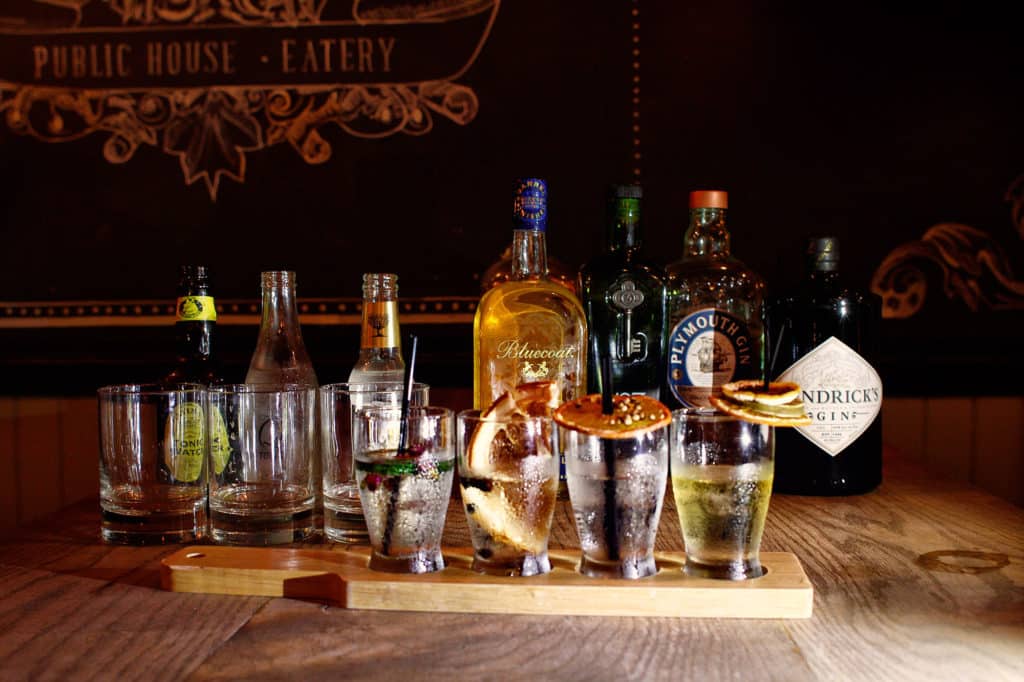
New York has never lacked for places to drink well. The city is dense with cocktail bars, neighborhood taverns, hotel lounges, wine rooms, and restaurants where the beverage program carries as much weight as the kitchen. That abundance raises the bar for any venue trying to stand out. A place cannot rely on novelty alone. It needs a point of view, technical skill, consistency on a crowded Friday night, and enough warmth that guests want to return rather than simply post a photo and move on.
That is where the idea of a Gin Bar NYC becomes more interesting than it may sound at first glance. Gin can easily be misunderstood as a narrow spirit, a bottle defined by juniper and martinis. In capable hands, it is the opposite. It is one of the most flexible spirits behind a bar, equally suited to brisk aperitif drinks, savory sippers, citrus-driven highballs, and deeply aromatic cocktails layered with herbs, tea, spices, and fruit. A strong gin-focused bar does more than pour good drinks. It gives structure to an entire evening, from the first oyster or plate of charcuterie to the last nightcap.
For food and drink lovers, that balance matters. Great bars can make excellent cocktails and still miss the larger experience. The room may be too loud to taste anything properly. The menu may be packed with clever names and vague descriptions that force guests to guess. The food may feel like an afterthought, useful only as ballast before another round. A truly memorable gin bar avoids those traps. It treats hospitality, pacing, and flavor as part of the same craft.
Why gin rewards a serious bar program
Gin is unusually expressive. Vodka is often prized for neutrality. Whiskey announces itself with oak, grain, and age. Tequila and mezcal bring recognizable signatures from agave. Gin starts with juniper, but beyond that it opens into a broad botanical spectrum. Coriander, angelica, citrus peel, cardamom, orris root, rosemary, cucumber, black pepper, lavender, chamomile, and dozens of other ingredients can shape the profile. That gives bartenders room to build drinks with precision.
In practice, this means a guest who says, “I don’t usually like gin,” may simply have had the wrong style. London dry can read sharp and piney to one palate, while a softer contemporary gin with citrus and floral notes can feel almost entirely different. A knowledgeable staff understands those distinctions and guides people without making them feel lectured. That is one of the strongest reasons a Gin Bar NYC attracts both enthusiasts and casual drinkers. The category rewards explanation, tasting, and comparison in ways that many spirit programs do not.
A good gin bar also tends to have discipline. Because gin’s aromatics are so vivid, flaws show quickly. Too much dilution deadens the nose. Poor ice management throws off balance. Heavy-handed sweeteners flatten detail. An overworked garnish can bury the spirit instead of supporting it. When a bar consistently serves bright, balanced gin drinks, it usually signals broader technical competence across the menu.
The best versions feel curated, not gimmicky
Theme bars often struggle with a common problem. They build identity around one ingredient or one era, then trap themselves inside it. The room starts to feel like a costume, and the menu follows. A serious gin bar avoids that by curating rather than performing. The focus should feel deliberate, not forced.
You notice it first in the menu language. Drinks are described clearly enough to tell you what you are ordering, but not so clinically that reading becomes a chore. If a cocktail leans savory, the menu says so. If it uses fortified wine, saline, or an herbal liqueur, those details appear for a reason, not as decoration. Better bars also think carefully about pacing across the list. There are likely lighter options for the first round, spirit-forward drinks for slower sipping, and lower-alcohol choices for guests who want another glass without tipping the entire night off balance.
The back bar tells a similar story. Breadth matters, but editing matters more. Fifty random bottles are less useful than a well-chosen range that shows styles, regions, and producer philosophies. A bartender who can pour two half-ounce comparisons and explain why one gin works better in a martini while another shines in a highball offers something beyond service. That is education folded naturally into hospitality.
Food is where a gin bar either becomes a destination or stays a niche stop
For food and drink lovers, the menu from the kitchen often decides whether a place is a quick pre-dinner stop or the whole night’s destination. Gin works beautifully with food, but only if the kitchen understands the relationship. Salinity, acidity, fat, herbs, and texture all matter.
Seafood is an obvious and often successful partner. Oysters with a crisp gin martini or a tonic-driven highball can be nearly perfect because brine and botanical sharpness lift each other. Crudo, shrimp, tinned fish, and smoked trout all tend to play well with gin, especially when citrus and herbs enter the dish. But the pairing potential goes much further. Fried food benefits from gin’s cleansing edge. Rich pâtés and terrines become livelier beside drinks with dry vermouth or bitter components. Cheese, especially fresh goat cheese or bloomy-rind styles, can pull out floral and peppery notes in ways that surprise people.
A serious kitchen does not need a huge menu. In fact, smaller menus often work better in bars because they preserve execution. What matters is that the food has enough thought behind it to stand on its own. A well-made roast chicken with a mustardy jus, a plate of mussels in white wine and herbs, or a simple burger with properly crisp fries can anchor an evening just as effectively as elaborate small plates. The best bar food feels inevitable once it hits the table. It tastes like exactly what you wanted with that second drink, even if you did not know it beforehand.
There is also a practical side to this. Food changes the rhythm of service. Guests who order snacks linger differently than guests who only drink. They pace themselves. They notice more. They often try a wider range of styles over the course of the night. For the bar, that creates a more stable and enjoyable room. For the guest, it turns a quick outing into something richer.
Atmosphere does real work
People often talk about ambiance as though it were a cosmetic layer, but in bars it shapes taste more than many realize. Lighting, music, seating, glassware, and spacing all affect perception. Too much brightness can make a room feel transactional. Too little can make menus unreadable and food unappealing. Loud music may energize a crowded room, but it can also flatten nuance if guests have to shout through a drink they are meant to savor.
A standout Gin Bar NYC tends to understand these pressures. The room might be elegant, but it should not feel stiff. It might be lively, but ideally not chaotic. There is a sweet spot where service remains attentive, conversations are still possible, and the bar hums rather than roars. That is harder to achieve in New York than many outsiders appreciate. Real estate is tight. Tables are close. Peak hours are relentless. When a venue makes the space feel relaxed despite those constraints, that is not accidental. It is the result of careful operating choices.
Glassware deserves more credit here. A frozen coupe for a martini variation, a balloon glass for a gin and tonic built around aromatics, a small stemmed wine glass for a lower-proof spritz, each changes how the drink arrives. Aroma hits first. Temperature holds differently. Even the ritual of lifting the glass affects the experience. Bars that care about these details rarely stop at the drink itself. They usually care about napkins, pacing, garnish restraint, and whether a server checks back at the right moment rather than every two minutes.
The martini question, and why it matters
Any gin-focused bar will eventually be judged by its martini. It is almost unfair, but it is also deserved. The martini is simple enough that there is nowhere to hide. Spirit quality, vermouth freshness, dilution, temperature, and proportion are all exposed immediately.
The best bars do not treat the martini as a single fixed recipe. They treat it as a conversation. Some guests want a classic ratio with visible vermouth character. Others want something drier but still aromatic. Some prefer a lemon twist for brightness, others an olive for salinity. A skilled bartender reads these preferences quickly and without fuss. That exchange can be the moment a guest decides they trust the bar.
It is also where food pairing becomes especially rewarding. A very cold, clean martini with oysters is famous for a reason, but other combinations can be just as compelling. Try one with warm olives, anchovies on toast, or a simple roast chicken and the drink reveals a different side. Salt, fat, and heat shift perception. Juniper can seem brighter. Citrus oils can pop more vividly. The same drink that feels severe on its own can become generous with the right plate.
For many drinkers, that is when a gin bar stops being a specialty concept and becomes a full dining experience.
Tonic, soda, citrus, and the invisible details that separate good from great
Not every memorable gin drink in New York needs to be stirred and stemmed. Some of the best are long, bright, and deceptively simple. Gin and tonic is the classic example. People often dismiss it because it is common, but at a strong bar it becomes a measure of seriousness.
Tonic quality matters. So does carbonation, temperature, and the ratio between spirit and mixer. Fresh citrus should smell alive, not tired. Ice should be hard and abundant enough to preserve texture. Garnish should match the botanical profile rather than follow habit. A wedge of lime is not automatically the right answer if the gin leans toward rosemary, grapefruit, or spice. Cucumber works with some styles and muddies others. These are not academic distinctions. They are the difference between a refreshing drink and a forgettable one.
Soda lengthens gin without covering it. Citrus can either sharpen or soften, depending on the supporting ingredients. A bar that understands this can create drinks that fit many kinds of nights. Someone meeting colleagues after work may want a crisp highball. Someone settling in for a long dinner may prefer a bitter, wine-based aperitif with gin as the backbone. Someone ending the night may want a richer, spirit-forward pour with restrained sweetness. A good gin program allows for all three.
Service is the quiet advantage people remember
Most guests can identify a bad drink. Fewer can pinpoint why some bars feel easier and more enjoyable than others, even when the cocktails are similarly good. Service is usually the answer.
At a great gin bar, staff know when to guide and when to step back. They can decode a vague request like “something not too sweet” into a real recommendation. They understand that many people do not know gin terminology and should not need to. They answer questions directly, avoid showing off, and make substitutions thoughtfully rather than automatically. If a guest dislikes an assertively floral drink, the server does not just point elsewhere on the menu. They refine the next choice.
This kind of service particularly matters in New York, where guests arrive with wildly different goals. One table may be on a date and want a slow, polished meal. Another may need a quick but excellent drink before a show. A solo diner at the bar may want conversation, or complete privacy. Good teams read these cues fast. That sensitivity turns competence into hospitality.
The bars people return to usually share a handful of service traits:
- They explain the menu clearly without reciting it.
- They pace drinks around food rather than chasing higher volume.
- They keep vermouth, citrus, and ice standards tight even late in service.
- They make room for both experts and newcomers.
- They recover gracefully when a drink misses the mark.
None of that sounds glamorous, but it is the backbone of the experience. Flash gets attention. Reliability earns loyalty.
Why New York is the right city for a gin-led experience
Some concepts thrive because they match the city around them. Gin bars make particular sense in New York because the city rewards specialization tied to cosmopolitan taste. Gin has a long, international vocabulary. British martini culture, Spanish gin and tonic rituals, French aperitif traditions, Japanese precision, and modern American cocktail technique can all coexist comfortably on one menu if the program is smart enough to connect them.
New York diners are also unusually comfortable moving between bar and restaurant modes in a single evening. They may begin with oysters and martinis, shift into a proper dinner, then finish with a final cocktail or amaro. That fluidity suits gin extremely well. It is one of the few spirits that can carry an entire night without feeling repetitive if the menu has range.
There is another factor, too. The city’s dining culture has matured past showmanship for its own sake. Guests increasingly value places that are polished but not precious. They want strong ingredients, confidence, and a clear point of view. A well-run Gin Bar NYC can deliver exactly that. It feels specific without being exclusive. It offers enough depth for serious drinkers and enough pleasure for anyone who simply wants a very good night out.
What seasoned diners and drinkers tend to notice first
People with experience in restaurants and bars often pick up on quality within the first ten minutes. It is rarely one dramatic thing. More often, it is a cluster of signals. The host stand is organized. Water arrives quickly. The menu is concise but not thin. The room smells clean. Bottles behind the bar are chosen with intent. Garnishes are prepped carefully and look fresh rather than overhandled.
Then the first order lands. If it is a martini, it arrives cold enough to stay sharp through the first few sips. If it is a gin and tonic, carbonation still Gin Bar NYC jumps in the glass. If food comes first, it has seasoning and temperature on its side. These moments set expectation. Once guests feel that level of care, they relax and order with more confidence.
A lot of bars fail not because they lack talent, but because they do not sustain this standard across the whole night. Early service is crisp, then details slip. The truly good ones keep form under pressure. That consistency is often what separates a place people admire from one they actively recommend.
How to get the most out of a visit
If you want to understand what a gin-focused bar does well, it helps to order across styles rather than stay in one lane. Start with something long or aperitif-driven, especially if you are arriving straight from the street and your palate is still adjusting. Follow that with either a martini or the house signature that best reflects the bar’s point of view. Bring in food earlier than you think you need to. Gin opens up around salt, acid, and fat, and the pairings often reveal more than the drinks do alone.
It is also worth asking one direct question: which drink on the menu best represents the bar? Not the most popular, not the strongest, not the prettiest. The most representative. Good staff usually have an immediate answer, and it often leads to the most satisfying order of the night.
If you are dining with someone whose tastes run away from gin, that is not a problem unless the bar lacks confidence. The best places know how to bridge that gap. They may suggest a softer, citrus-led gin drink, or something built with vermouth, sherry, or bubbles that introduces the spirit gently. The goal is not conversion. It is pleasure.
More than a place to drink
When a gin bar is done properly, it becomes more than a niche destination for spirit obsessives. It becomes one of the city’s most complete hospitality experiences, a place where beverage knowledge, kitchen intelligence, and atmosphere support each other rather than compete. That is why the best Gin Bar NYC venues matter to food and drink lovers. They do not just serve cocktails. They stage an evening with care.
You go for a drink and end up staying for dinner. You order one martini and become curious about a highball you would usually skip. You discover that oysters with a crisp gin serve are as satisfying on a Tuesday as they are on a celebration night. You notice that the room feels energized but never frantic, and that the staff seem both informed and relaxed. Those are not small wins. Gin Bar NYC In a city crowded with options, they are the whole point.
For anyone who cares about how a night out feels as much as what is in the glass, a strong gin bar earns its place very quickly. It offers detail without stiffness, flavor without excess, and enough range to keep returning interesting. That combination is rare, and in New York, rare is what makes a place worth seeking out.
The Winslow
243 E 14th St
New York, NY 10003, United States
Phone: +1 212-777-7717
FAQ About Gin Bar NYC
How to do a gin tasting?
Start with a small pour and gently smell the gin before taking a small sip. Notice its juniper, citrus, floral or spice notes, then compare how the flavor changes with a little water or tonic. At a gin bar, ask the bartender to explain the selection and botanical pairings.
How to make the best tasting gin and tonic?
Use chilled gin, fresh tonic and plenty of ice. A common starting ratio is one part gin to two parts tonic, adjusted to taste. Choose a garnish that complements the gin's botanicals and stir gently to preserve the bubbles.
What is the smoothest tasting gin?
There is no single smoothest gin for everyone. Perceived smoothness depends on the botanical recipe, alcohol strength, serving temperature and mixer. Describe whether you prefer citrus, floral, herbal or juniper-forward flavors so a bartender can suggest a suitable style.